Thinking about combining your studio and your home under one roof? In Denver’s River North Art District, live-work lofts can give you flexible space, modern style, and a central location. The catch is that zoning, permits, financing, and insurance work a little differently than a typical condo. In this guide, you’ll learn what live-work lofts look like in RiNo, how the rules work in Denver, what affects financing and insurance, and the due diligence steps that can save you time and money. Let’s dive in.
RiNo at a glance
RiNo sits just north of downtown and blends studios, galleries, breweries, restaurants, and a growing number of condos and lofts. It is marketed as Denver’s creative district, with recent transit and park investments fueling more residential interest. If you want a neighborhood with an industrial vibe and plenty of creative energy, RiNo is a strong fit. You can get a quick feel for the area from the city’s tourism overview of the RiNo neighborhood and amenities.
What a live-work loft is in RiNo
A live-work loft is a unit designed for both living and certain types of work. In RiNo, you’ll find two main styles:
Authentic industrial conversions
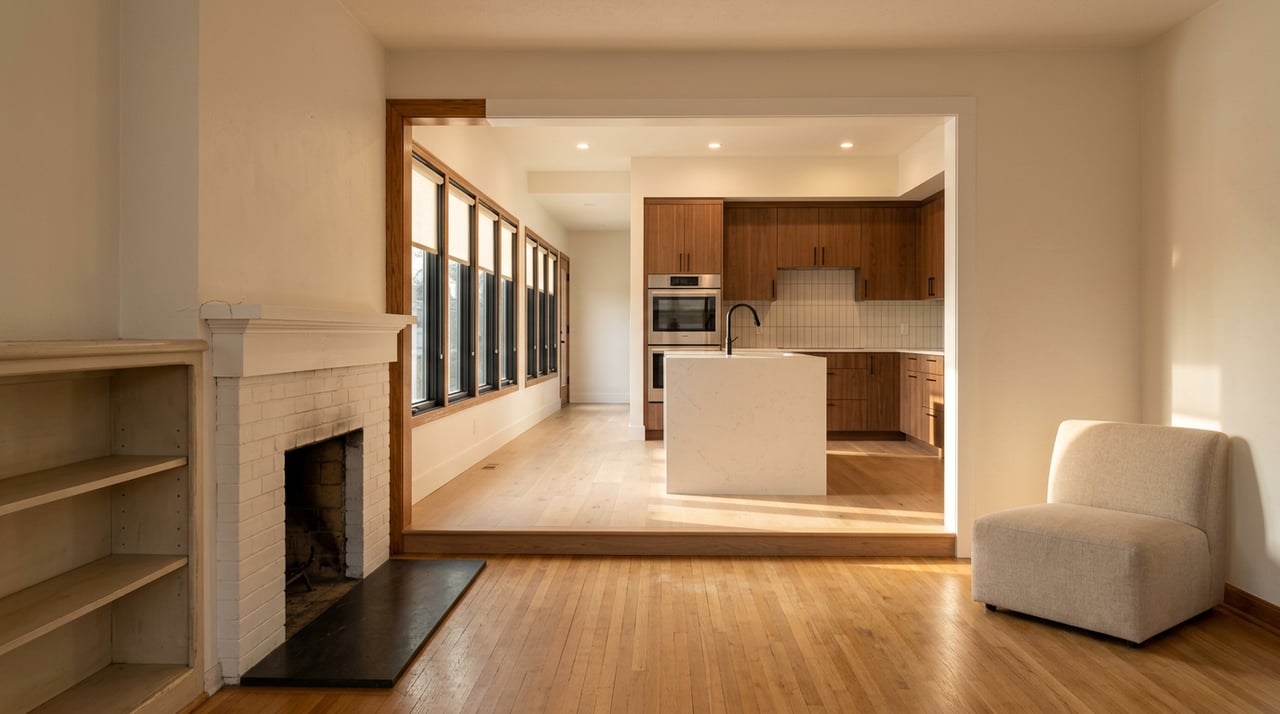
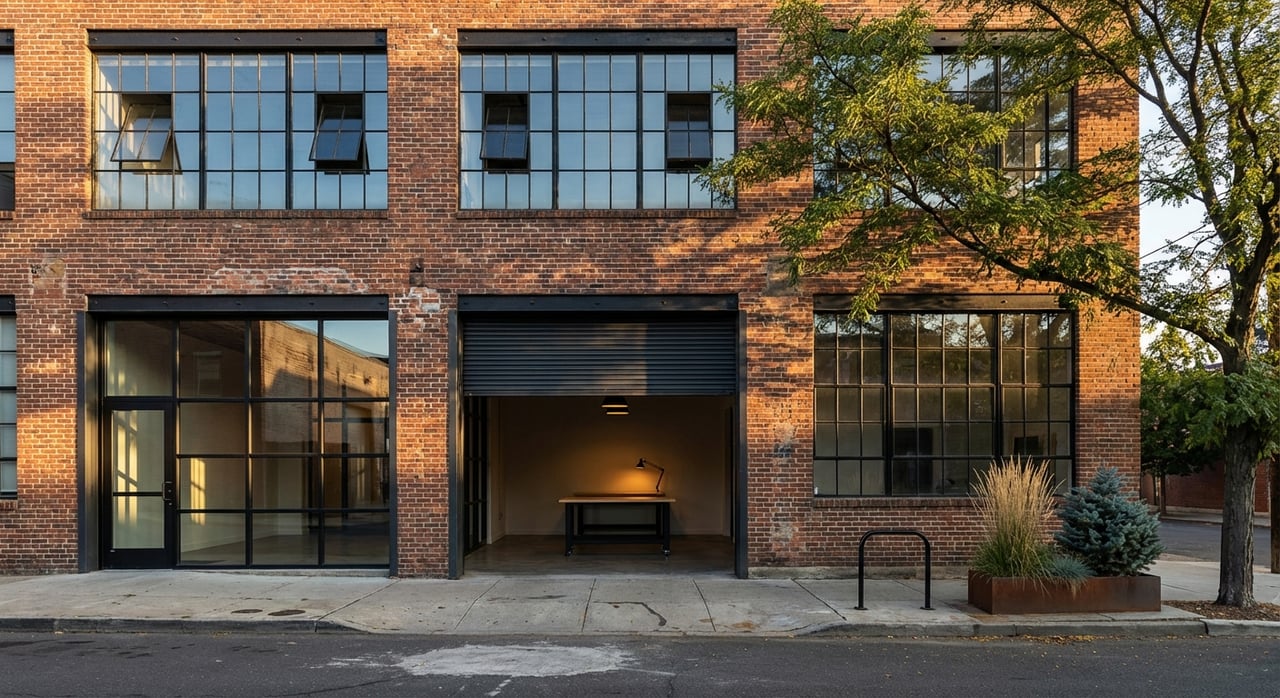
These are former warehouses or factories adapted into residential lofts. Common traits include tall ceilings, exposed brick or timber or steel, oversized windows, and polished concrete or wood floors. Many have open plans with a main level for production or display and a mezzanine for a bedroom or office. Unit sizes often range from about 600 to more than 2,200 square feet.
New mixed-use or purpose-built lofts
These are newer buildings that deliver a similar lofty feel but come with modern systems, ground-floor retail, and formal building amenities. They often live like condos while offering flexible layouts for creative work. Governance and amenities tend to be more structured than in true conversions.
Across both types, you’ll typically see in-unit laundry, gas or electric cooking, HVAC split systems, and sometimes private patios or roof decks. Some buildings include reserved parking. Layout matters for resale and financing. Units that read primarily as homes in their finishes and layout are often easier to finance and resell than units heavily customized for industrial uses.
Overlays and why location on the block matters
RiNo is shaped by special zoning tools. The River North Design Overlay and the 38th & Blake Incentive Overlay influence street-level design, building height, parking, and permitted uses. You can review the city’s legislative record on the River North Design Overlay (DO-7) and 38th & Blake Incentive Overlay (IO-1) to understand the basics.
These overlays aim to activate the street with retail at ground level. That setup can drive demand for street-facing spaces and shape lease dynamics for live-work units that want a storefront presence. Local coverage has also noted the market pressure these rules can create for smaller retail tenants, which can affect turnover and rents on certain blocks. For more context, see this reporting on RiNo retail dynamics and design overlays.
Permits and approvals: what Denver requires
If you are converting or buying a space marketed as live-work, expect some extra steps. Denver’s guidance for live/work spaces explains the typical path:
- Use permit: If the zone district allows it, you may pursue a live/work dwelling use permit. In purely residential areas, you may be limited to a home-occupation permit with tighter rules.
- Building permit and change of occupancy: Moving from warehouse or commercial use to residential typically triggers a change of occupancy, building permits, and life-safety upgrades. Plan for inspections and a new Certificate of Occupancy.
- Hazardous processes: If you plan welding, kilns, spray finishes, or other high-load processes, these must be disclosed on plans and may be limited or disallowed.
- Pre-application meeting: It’s smart to request a meeting with Planning and Development staff before you write an offer so you understand what is and is not allowed in that unit or building.
You can review the city’s full process in Denver’s live-work permit guidance.
Financing: what to know early
Financing a live-work loft is doable, but it is not one-size-fits-all. Program rules vary, and lenders will scrutinize both the unit and the building.
FHA basics
FHA allows certain mixed-use properties as long as the majority of the building’s square footage is residential. For condos, FHA offers paths for project approval and single-unit approvals, but specifics vary by lender and project. Review the FHA Single Family Housing Policy Handbook (4000.1) and confirm details with your lender.
Conventional loans and project eligibility
Conventional financing through Fannie Mae and Freddie Mac depends on project eligibility. Lenders look at the percentage of commercial space in the building, owner-occupancy rates, and HOA financials. Over the past decade, lenders and GSEs have allowed more flexibility in some cases, but limits and lender overlays still apply. If a project exceeds thresholds for commercial space or other risk factors, it may be considered non-warrantable. In that case, you may need a portfolio or jumbo product. See this overview of condo project financing eligibility for context.
What to tell your lender up front
- State that the unit is live-work or mixed-use and whether any commercial component is deeded.
- Confirm that the building has a valid Certificate of Occupancy for residential use.
- Share whether the HOA contains other commercial units.
- Expect the appraiser to comment on whether market value is driven by residential characteristics rather than business use. This aligns with industry guidance in a conventional lending guide.
Bottom line: confirm project eligibility early. Do this before you fall in love with a particular loft.
HOAs, CC&Rs, and resale
Even if zoning allows a live-work use, condo declarations can prohibit or limit commercial activity in units. Always review CC&Rs, use restrictions, and the condo questionnaire. Ask your attorney to call out any limits on signage, customer visits, hours, or types of equipment. Also consider resale. Units that function comfortably as homes and do not rely on specialized installations tend to appeal to a broader buyer pool.
Insurance for live-work owners and makers
A standard condo (HO-6) policy usually covers your personal property and some liability for residential exposure. Business activities often are not covered. If you host customers, sell goods, or store inventory, talk to an insurance agent about:
- Businessowners Policy (BOP) or general liability for on-site visitors or classes.
- Product liability if you sell goods.
- Inland marine or scheduled coverage for high-value tools, art, or equipment.
You can explore maker-focused options and product coverage here: product liability and maker-friendly coverage. Also review the HOA’s master policy limits and deductibles to ensure your coverage aligns with lender requirements and building rules.
Due-diligence checklist for buyers and sellers
Use this quick list before you write an offer, list your loft, or sign a lease:
- Zoning and overlays: Confirm the zone district and whether the unit falls within RiNo’s design or incentive overlays. If needed, request a pre-application meeting with the city.
- Certificate of Occupancy and permits: Ask for the current CO and permit history. Unpermitted work can be costly to fix.
- HOA and project docs: Pull CC&Rs, rules, condo questionnaire, and financials. Identify any limits on business use and whether the project could be non-warrantable.
- Lender pre-check: Have your lender review project eligibility for FHA, VA, or conventional financing. If the project does not qualify, discuss portfolio or bridge options.
- Insurance consult: Line up HO-6 plus any needed business coverages like a BOP or product liability, especially if you sell goods or host customers.
- Technical inspections: Order structural, electrical, and fire-safety checks. If you plan to run equipment, assess ventilation and mechanical loads. Expect the city to require remediation if you change occupancy.
- Operations plan: If you anticipate classes, retail hours, deliveries, odors, or noise, draft a simple plan. It will help with permits and with HOA approvals.
For more on the city process, revisit Denver’s live-work permit guidance.
Is RiNo right for your live-work goals?
RiNo’s stock of industrial conversions, street art, and creative businesses makes it a natural fit for artists, small-scale fabricators, gallery retail, and makers who want an urban, flexible space. Nearby districts differ. LoDo has more preserved commercial storefronts and tourist traffic. Ballpark skews toward stadium and entertainment activity. The Highlands (LoHi) blends residential blocks and boutique retail with a different mix of properties. If you value an industrial aesthetic and evolving street activation, RiNo often stands out.
Your next step
If you are serious about a live-work loft in RiNo, the smartest move is to front-load your due diligence. Verify zoning and the Certificate of Occupancy, review HOA rules, and have your lender assess project eligibility. Then we can target units that fit your goals and your financing. When you are ready, we can help you compare buildings, coordinate with lenders and attorneys, and structure a strong, compliant offer.
Ready to explore RiNo live-work options? Connect with Hector Murguia to get a focused plan and on-the-ground insights.
FAQs
What is a live-work loft in Denver and how is it different from a condo?
- A live-work loft is a unit designed for both living and certain work activities, often with an open production or studio area plus a mezzanine or bedroom, and it may require specific use permits and a residential Certificate of Occupancy.
Do I need a special permit to live and work in a RiNo loft?
- Yes, Denver typically requires a live/work dwelling use permit for eligible zones and a building permit with change of occupancy if converting from commercial or industrial to residential.
Can I open a small retail shop in my RiNo loft?
- It depends on the zone district, the building’s overlay rules, and your HOA’s CC&Rs; ground-floor street activation is encouraged in parts of RiNo, but condo rules can still limit commercial activity inside units.
What ceiling heights and sizes should I expect in RiNo lofts?
- Converted industrial lofts often advertise tall ceilings, commonly in the mid-teens to 20-plus feet, with units ranging from roughly 600 to over 2,200 square feet depending on the building.
Will FHA or conventional financing work for a live-work loft?
- Possibly; FHA and conventional programs each have rules, and lenders review the project’s commercial percentage and HOA health, so confirm project eligibility with your lender early.
What insurance do I need if I sell goods or host customers in my loft?
- In addition to a condo policy, you may need a Businessowners Policy or general liability, product liability for sold goods, and scheduled coverage for high-value tools or artwork.