Torn between the warmth of a classic front porch and the ease of a brand‑new floor plan in Wash Park? You are not alone. Choosing between a historic bungalow and a newer infill home in Washington Park is a real tradeoff between character, cost, energy performance, and long‑term plans. In this guide, you will get a clear, side‑by‑side view of what matters most so you can buy with confidence. Let’s dive in.
Wash Park at a glance
Washington Park is one of Denver’s most loved neighborhoods, shaped by early 20th‑century homes and a landmark park that anchors the community. The area’s development history and architectural character are part of what make it special and high demand. The neighborhood and park are recognized on national historic registers, and the dominant styles include Craftsman bungalows, Denver Squares, and Prairie‑influenced designs. You can explore the area’s background through resources like the Washington Park entry.
Why values run high here comes down to simple forces. Proximity to the park, leafy blocks, a limited supply of single‑family lots, and walkable amenities all support strong demand. As local reporting notes, these features consistently draw buyers across Denver’s core neighborhoods, including Wash Park’s coveted streets near the lake and open space (Axios neighborhood guide).
Price context as of Dec 2025
Aggregated listing portals showed Washington Park median listing prices in the low‑to‑mid seven‑figure range, often around 1.8 to 2.0 million dollars in late 2025. Well‑maintained single‑family bungalows near the park commonly list above 1 million dollars, while remodeled bungalows and many new builds trade from roughly the mid‑1 million range into the 2 million range or more depending on size and finish. Always verify current comps with a local agent before you bid, since prices change block by block and month to month.
What you get with a bungalow
Architecture and layout
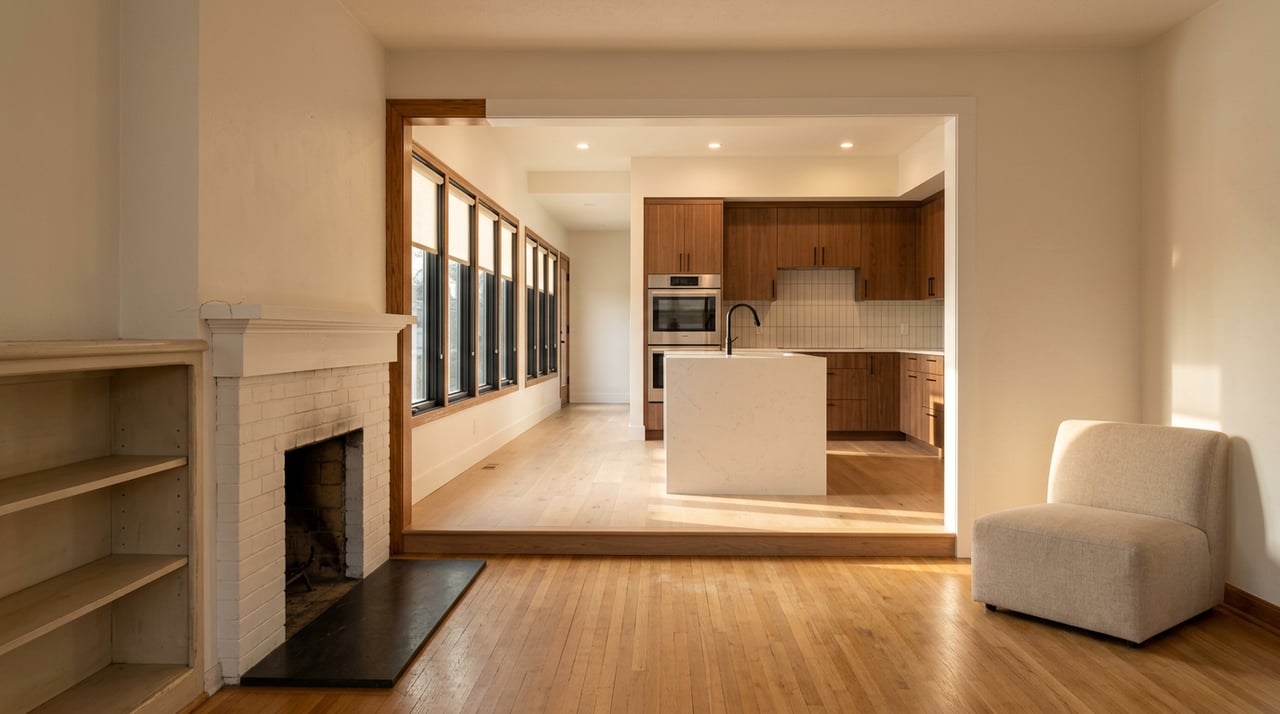
Most Wash Park bungalows were built between 1900 and 1940. You will often see one or one‑and‑a‑half stories, wide front porches, built‑ins, and compact room arrangements that create a cozy feel. These homes bring historic charm but also certain constraints, like narrower stairs and smaller closets, that you should plan around. For a quick primer on local historic homes, review this Washington Park historic homes guide.
Lot and outdoor living
Bungalows maximize single‑level living on mid‑sized urban lots. The front porch and backyard are part of the lifestyle here. Many homes have detached garages off the alley. If you are thinking about future flexibility, accessory dwelling units or pop‑tops depend on zoning and permits, so you will want to confirm feasibility for a specific address with the city.
What you get with a new build
Design and function
Newer infill homes in Wash Park tend to deliver open main‑level living, high ceilings, large kitchens, generous storage, a primary suite with an en suite bathroom, and often a two‑car garage. You will find a range of finishes, from modest modern infill to custom builds with premium details. The big advantage is usable square footage, natural light, and flexibility for today’s lifestyles.
Code and performance
New construction must meet current Denver building codes. As of December 31, 2025, Denver adopted an updated Building and Fire Code package while retaining the 2021 International Energy Conservation Code as the energy baseline. That means tighter building envelopes, modern insulation, and up‑to‑date mechanical systems compared with pre‑war houses. You can read the latest on the city’s building codes and policies.
Daily living differences you will feel
- Flow and room count: Bungalows often have smaller, compartmentalized rooms. New builds emphasize open living, more baths, and defined drop zones for daily life.
- Stairs and accessibility: Single‑story bungalow living can be great if you want fewer stairs. Many new builds span two or more levels, though some offer main‑floor suites.
- Parking and ADUs: Newer homes often include attached two‑car garages. Older bungalows may have detached garages via alleys. If you plan to add an ADU, confirm zoning and permits with the city. A local historic homes overview offers helpful context on upgrades and additions in Wash Park (historic homes guide).
Maintenance and long‑term costs
Common bungalow system issues
Vintage homes may have aging electrical, plumbing, single‑pane windows, limited insulation, and older roofs. It is smart to budget for inspections by trade specialists and plan for staged improvements. A quick overview of typical issues is outlined in this historic homes guide.
Representative costs help set expectations:
- Electrical rewiring from old systems to modern circuits often ranges from about 12,000 to 36,000 dollars depending on size and finishes that need patching, per national renovation sources (knob‑and‑tube cost guide).
- Roof replacement and window upgrades vary widely, but national benchmarks in the 2025 Cost vs. Value report show midrange roof jobs around the low‑30,000‑dollar mark, with typical resale recoup percentages available by project type. Use local contractors for Denver‑specific pricing (Cost vs. Value 2025).
Insurance for older homes can also run higher. Insurers may price for older materials, potential electrical or plumbing updates, and specialized repairs for period features. Getting quotes early can surface surprises and inform your offer strategy. Learn more from this guide to hard‑to‑insure homes.
Energy use and comfort
New builds typically deliver lower energy use out of the gate. With Denver retaining the 2021 IECC as the energy standard, you can expect modern insulation, code‑compliant windows, and efficient mechanical systems in recent construction (Denver building codes).
Older homes can be upgraded. Air sealing, attic insulation, window improvements, and a heat pump retrofit can improve comfort and bills. ENERGY STAR outlines the benefits of clean heating and cooling with heat pumps. Denver and utility rebates have helped reduce net costs for electrification, though some city programs reported being fully subscribed in 2025. Rebate availability changes, so check current details on Denver’s heat pump rebates and resources and consider broader energy‑saving steps from the EPA.
Resale, ROI, and what buyers want
Across many markets, buyers prioritize move‑in readiness, practical kitchens and baths, outdoor living, and energy efficiency. These preferences shape how both bungalows and new builds are valued and marketed. The National Association of Realtors offers a useful overview of remodeling projects and their impact on buyer appeal in its field guide to remodeling.
If you plan to improve a bungalow, focus on projects with consistent resale impact. The 2025 Cost vs. Value report shows that curb‑appeal projects like garage‑door or entry‑door replacements, manufactured stone veneer, new siding, and a midrange kitchen refresh often deliver stronger recoup percentages than major expansions. Use local comps to calibrate scope and avoid over‑improving for the block (Cost vs. Value 2025).
Financing paths to compare
Buying a character home that needs work can be easier with renovation financing. Fannie Mae’s HomeStyle Renovation program lets you roll eligible renovation costs into a single conventional mortgage. FHA’s 203(k) program is another path many buyers use. Talk with an approved lender early so the loan structure supports your scope and timeline.
If you prefer a new build, you will typically use a conventional mortgage if the home is finished. For custom builds, construction‑to‑permanent loans may apply. Builders often provide limited warranties that cover certain systems or workmanship for defined periods. Review the coverage carefully.
Timelines, permits, and friction
If speed matters, a move‑in‑ready bungalow lets you settle in sooner. A finished spec new build can also close quickly. A custom build or a major pop‑top or addition requires design time, permits, and construction, often taking many months. Denver’s permit and code environment evolves, so always review the city’s current building codes and policies before committing to a plan.
Three decision frameworks
A. You value charm and will renovate
- You want original millwork, a front porch, and a classic streetscape.
- Key checks: structure and foundation, electrical service and any legacy wiring, plumbing materials, roof age, insulation, windows, and any signs of water intrusion. Ask for receipts for major replacements.
- Budget guideposts: plan for electrical rewiring if needed and envelope upgrades like insulation or windows. National rewiring averages run about 12,000 to 36,000 dollars depending on size and finishes (rewiring cost overview).
- Financing: consider a renovation loan such as HomeStyle Renovation. Get insurance quotes during due diligence.
B. You prefer low maintenance and modern systems
- You want turnkey living, efficient heating and cooling, and fewer near‑term repairs.
- Focus areas: builder warranty terms and duration, code compliance, mechanical specs, insulation and window performance, and final permit sign‑offs.
- Tradeoff: higher purchase price for the lot and home, and be mindful of scale relative to the block. Confirm energy code compliance with Denver’s building code resources.
C. You want a hybrid: modest remodel in the right spot
- You love the location but want to avoid a full gut.
- Prioritize value‑add projects with solid recoup potential: roof if near end of life, insulation and air sealing, selective window upgrades, and a midrange kitchen refresh. Use the Cost vs. Value benchmarks to shape scope.
- Get contractor bids and lender input before you write an offer so you understand total cost to ready.
Real‑world buyer scenarios
- Young family: You might compare a sympathetically expanded bungalow with yard to a new build that offers extra bedrooms and an open main level. Weigh near‑term capital needs against the higher monthly payment for a larger, newer home. A professional inspection helps you price those tradeoffs.
- Downsizer: A well‑maintained bungalow with a main‑floor bedroom can be ideal. If systems are older, budget for potential electrical or plumbing updates and check insurance early.
- Clean‑energy buyer: New builds are generally the most direct path to electrification or net‑zero. Older homes can get there with staged investments, and rebates or incentives can play a big role. Review current Denver rebate resources and plan for sequencing.
Quick checklists for tours and offers
Bungalows: must‑ask, must‑check
- Foundation and signs of settlement
- Roof age and material
- Electrical: service size, presence of legacy wiring
- Plumbing: cast iron or galvanized vs. copper/PEX
- Insulation levels and window type
- Evidence of water intrusion in basement or crawlspace
- Asbestos or lead testing if original finishes remain
- Receipts for major replacements or system upgrades
New builds: confirm and verify
- Builder warranty: coverage areas and duration
- Final permit sign‑offs and certificate of occupancy
- Mechanical specs: SEER, HSPF, AFUE ratings and duct quality
- Insulation R‑values and window specs
- Energy‑code or green features that improve comfort and bills
- Final punch‑list completion and any third‑party commissioning
How to make the call
If you love original character and are ready to invest in targeted upgrades, a bungalow near the park can be incredibly rewarding. If you want low maintenance, top energy performance, and modern function from day one, a new build could be worth the premium. Your best choice aligns with your budget, timeline, appetite for projects, and how you want to live day to day.
When you are ready to compare specific addresses, walk the block, run real comps, and price out near‑term capital needs. A local advisor can help you weigh all of that against your monthly budget and long‑term goals.
Ready to explore bungalows and new builds in Wash Park with a local, investment‑minded team at your side? Reach out to Hector Murguia to start a tailored search.
FAQs
What makes Washington Park homes command premium prices?
- Proximity to the park, tree‑lined blocks, limited single‑family lot supply, and strong buyer demand for walkability and neighborhood character support higher values, as noted in local reporting.
How do energy codes affect new builds in Denver as of 2025?
- Denver’s 2025 code package retains the 2021 IECC energy standard, so new homes must meet updated envelope and mechanical performance requirements, improving efficiency compared with older homes.
What are typical big‑ticket updates for Wash Park bungalows?
- Buyers often assess electrical rewiring, plumbing replacement, roofing, insulation, windows, and moisture management in basements or crawlspaces during due diligence.
Are there rebates for heat pump upgrades in Denver?
- Yes, Denver and utility programs have offered heat pump rebates, though availability changes and some 2025 programs were fully subscribed. Check current city resources before planning your project.
Which remodel projects usually help resale the most?
- National data suggests curb‑appeal updates and midrange kitchen refreshes often deliver stronger recoup percentages than large upscale additions. Calibrate scope with local comps.
Can I finance renovations into my mortgage on a bungalow purchase?
- Many buyers use renovation loans like Fannie Mae’s HomeStyle Renovation to combine purchase and upgrade costs. Discuss options with a qualified lender early.