Picture this: you grab coffee in the Union Station plaza, hop onto the train to the airport for a same-day client meeting, and make it back in time for dinner steps from your front door. If you want city energy with everyday convenience, loft living near Union Station delivers. You get walkability, transit at your doorstep, and a mix of historic charm and modern comfort.
In this guide, you will learn what daily life looks like in Union Station lofts and condos, the trade-offs to consider, and how to evaluate buildings, HOAs, parking, and rental potential. You will also see tips for commuting, moving logistics, and noise on event days. Let’s dive in.
Why Union Station works for you
The Union Station district puts you in the center of Denver’s transportation network. Trains, light rail, local buses, the MallRide shuttle, and bike connections all meet here. That means an easy commute to downtown employers and a direct rail ride to Denver International Airport.
Walkability is a major draw. The Union Station plaza, the 16th Street Mall corridor, and Riverfront Park make it simple to get around on foot. You can run errands, meet friends, and head to a show without getting into a car.
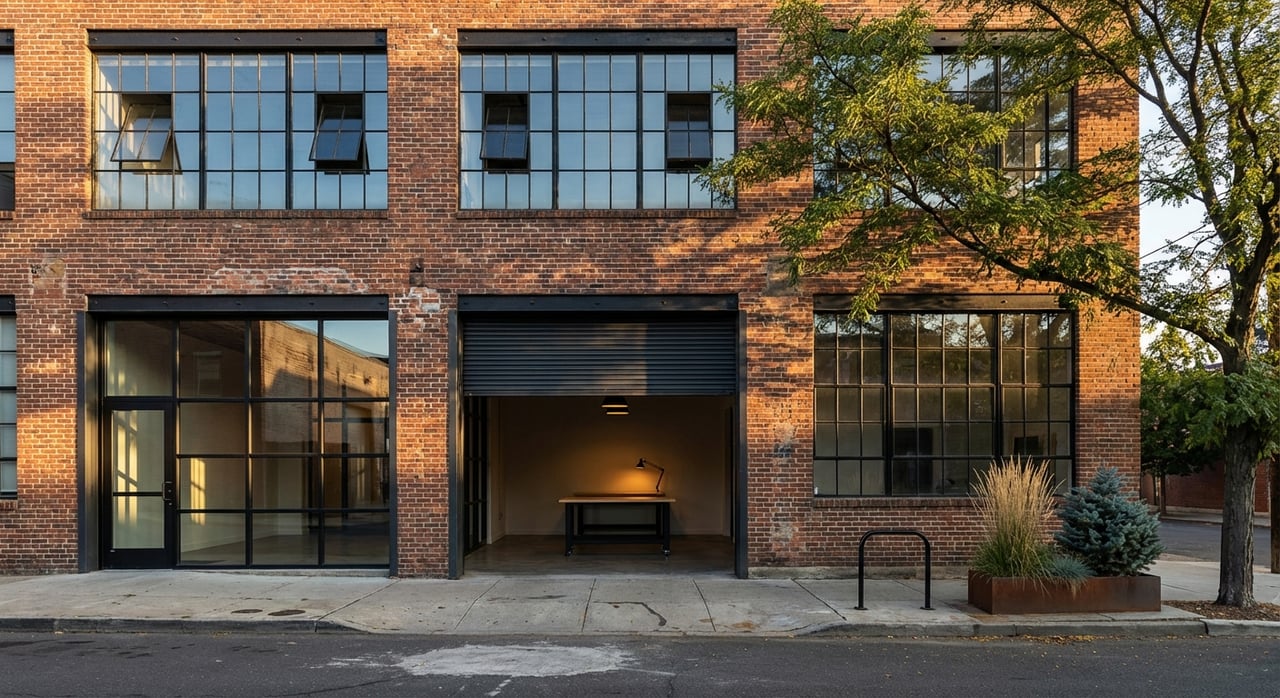
Architecturally, you get a mix. Historic brick warehouses converted to lofts sit next to glass-and-steel condo towers. Within a few blocks, you will find industrial features, skyline views, and modern amenities.
Loft and condo options
Historic loft conversions
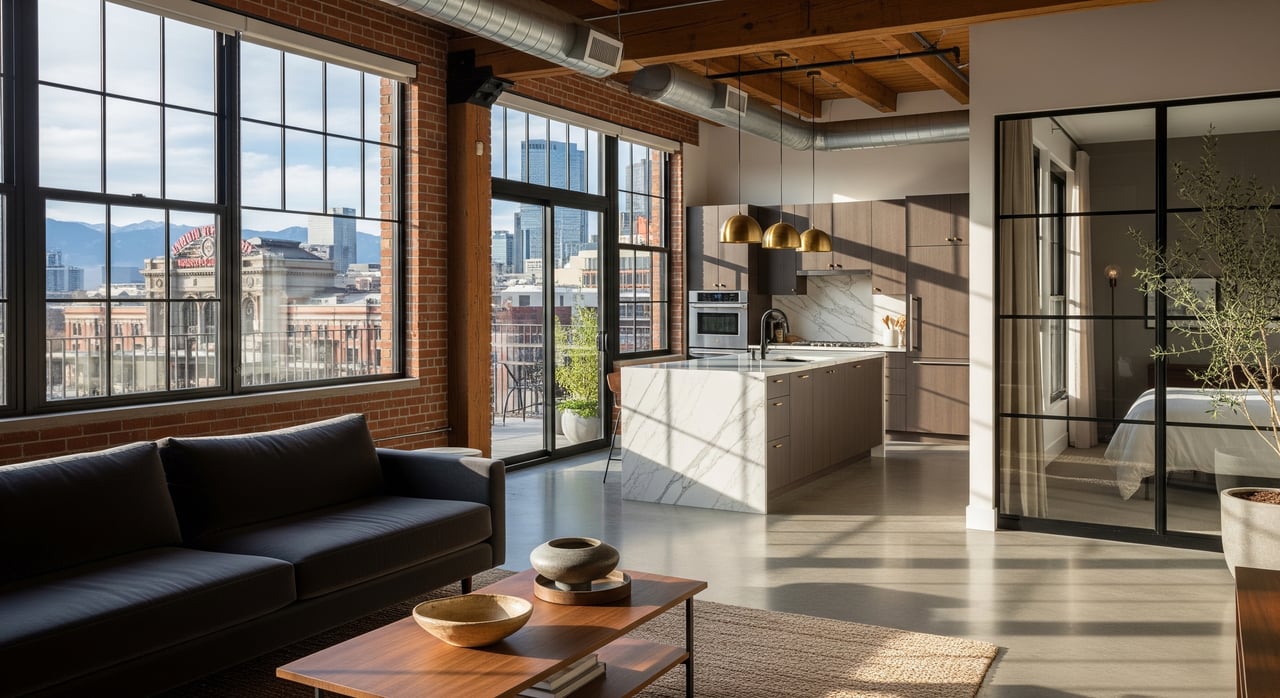
If you love character, historic lofts are appealing. Many feature exposed brick, timber beams, tall ceilings, big windows, and open layouts. Storage can be limited, and mechanical systems vary by building, so verify upgrades and check for on-site storage units.
These buildings often have a unique feel. Floor plans differ from unit to unit. You get architectural details you cannot replicate in new construction, along with a true warehouse vibe.
Modern condo towers
Newer condo buildings lean modern. Expect finishes like stone counters, sleek cabinetry, and energy-efficient systems. Many include amenities such as a concierge, fitness centers, rooftop decks, and structured parking.
These properties suit buyers who want a lock-and-leave lifestyle. You get predictable systems, on-site services, and simplified maintenance covered by HOA fees.
Townhome-style condos
Townhome-style condos exist, though they are less common here than lofts and towers. They provide a more private entry and a multi-level layout. If you want a bit more separation of space and a home-like feel, they are worth a look.
A day in the life
Morning commute choices
If you work downtown, you can walk or take a quick light rail ride. For regional employers along rail corridors, Union Station’s connections reduce the need to drive. If your office sits in a suburb without direct rail, you can still use highways, but many residents prefer to stay car-light during the week.
Groceries and essentials
You will find grocery and convenience options in and around downtown. Your exact choices depend on your block and building. Many residents mix in delivery with quick neighborhood runs to keep errands simple.
Fitness and recreation
Riverfront Park and the Platte River trails are close by. You can jog before work, bike on the weekend, or take a relaxing walk at sunset. Gyms, studios, and building fitness rooms make staying active straightforward.
Trade-offs to weigh
Pros
- Strong walkability and transit access
- Dining, culture, and nightlife at your doorstep
- Unique character in historic lofts
- Skyline and river views in select buildings
Cons
- Smaller square footage than suburban homes
- HOA fees that add to monthly costs
- Parking may be limited or sold separately
- Noise during weekend nights or game days near Coors Field
Parking and car ownership
Parking setups vary by building. Many towers include deeded garage spaces, while some loft conversions rely on leased or separately purchased spots. Confirm whether a parking space is included with a unit, deeded, or available for rent.
Plenty of residents choose a car-light lifestyle. Transit, rideshare, and bikes cover most daily trips. If you take road trips or have specific needs, budget for parking and confirm guest parking rules before you buy.
HOA fees and building health
What HOA fees cover
Monthly HOA dues usually cover exterior maintenance, common areas, and some utilities. In amenity-rich buildings, fees may also support concierge services, fitness rooms, and rooftop spaces. Ask exactly what is included and what is not so you can compare apples to apples.
How to review an HOA
Request recent reserve studies, budgets, and board meeting notes. Look for a clear maintenance plan and adequate reserves. Ask about any past or planned assessments, building system upgrades, and elevator or roof timelines. Solid documentation signals stability and helps you plan your costs.
Noise, events, and comfort
LoDo’s nightlife and event calendar are part of the appeal. They can also bring noise and extra foot traffic. Visit any building in the morning, afternoon, evening, and on a game or festival day to check your comfort level.
Historic lofts often have large windows and open plans. Verify insulation, window quality, and heating or cooling performance, especially in older buildings. Comfort varies by orientation, floor, and upgrades.
Moving, access, and deliveries
Older buildings may have narrow service elevators or stair-only access. Ask about move-in policies, elevator reservations, and delivery protocols. Clear access plans make move day smoother and protect your deposit.
Package delivery is part of daily life here. Confirm where deliveries are stored, how guests access the building, and any concierge or locker options.
Renting and resale potential
Proximity to transit, employers, and entertainment supports steady renter interest. If you plan to rent your unit, review both city short-term rental rules and your HOA’s policies. Many associations limit short-term stays, and some cap the number of rentals.
For long-term investors, the area’s walkability and commute options are meaningful demand drivers. For future resale, buyers often prioritize views, outdoor space, parking, and building condition. The more boxes you check, the broader your buyer pool later.
Budget planning checklist
Use this quick list to frame your monthly and annual costs:
- Mortgage and interest rate
- HOA dues and what they include
- Property taxes and any forecasted changes
- Parking, whether deeded, leased, or off-site
- Utilities not covered by the HOA
- Insurance, including what the master policy covers versus your condo policy
- Maintenance reserves for in-unit systems and finishes
What to inspect before you buy
Bring a detail-first mindset to urban condos and lofts. Focus on the following items early in your search:
- Building systems and maintenance records
- Reserve studies and any planned assessments
- Parking and storage availability, including deeded status
- Elevator reliability and building access protocols
- Natural light, orientation, and window performance
- Noise at different times and on event days
How we help
Buying in Union Station is a lifestyle choice and a financial decision. You deserve clear guidance on building health, HOA rules, rental policies, and long-term value. Our team brings a hands-on, investor-aware approach matched with local neighborhood expertise.
If you want a walkable home base near transit, restaurants, and the river, we can help you identify the buildings that fit your routine and your budget. From first tours to HOA review and closing, you get responsive, concierge-style support tailored to Denver’s core neighborhoods.
Ready to see which Union Station buildings fit your lifestyle? Connect with Hector Murguia for a private consult.
FAQs
How reliable is the airport connection from Union Station?
- Union Station provides a direct rail connection to Denver International Airport. Check current schedules and rider advisories before you travel, especially during peak times.
What should I know about historic loft comfort year-round?
- Comfort depends on window quality, insulation, and mechanical upgrades. Verify orientation, heating and cooling performance, and any recent energy improvements.
How noisy is it near Coors Field on game days?
- Expect more foot traffic, street activity, and periodic noise on event days. Visit potential buildings during an event to gauge your personal comfort level.
What do HOA fees usually include in these buildings?
- Typical coverage includes exterior maintenance, common areas, and some utilities. Amenity buildings may add concierge, fitness, or rooftop upkeep. Always confirm line items.
What are the parking realities for Union Station condos and lofts?
- Many buildings offer deeded or leased garage spaces, but some sell or rent spots separately. Confirm whether a space conveys with the unit and review guest parking rules.
Can I rent out my Union Station condo short term?
- Denver has municipal rules for short-term rentals, and many HOAs limit or prohibit them. Review city regulations and your HOA documents before assuming rental potential.
What should I review in an HOA before making an offer?
- Request reserve studies, budgets, and board notes. Look for a clear maintenance plan, adequate reserves, and any planned assessments that could affect your costs.