Torn between the drama of a brick-and-timber loft and the polish of a high-rise condo near Union Station? You are not alone. You want walkability, light, and a great investment, but you also care about noise, HOA costs, parking, and long-term upkeep. In this guide, you will learn the real differences that matter for daily living and resale, plus a practical checklist to shortlist the right units to tour. Let’s dive in.
Loft vs. condo basics
What “loft” means here
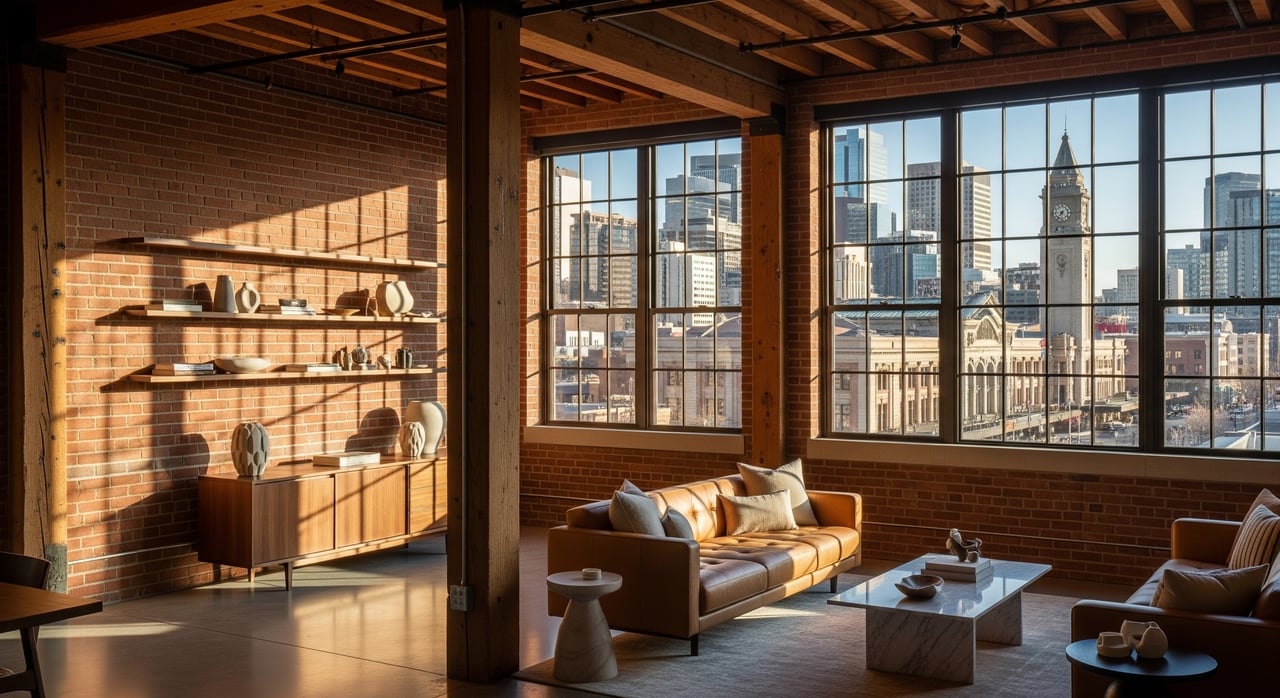
In the Union Station area and nearby blocks of LoDo, Ballpark, and parts of RiNo, a loft typically means a home inside a converted commercial or industrial building. You will often see large windows, exposed brick, ductwork, heavy timber or steel, and high ceilings with an open layout. The interior structure is part of the look and feel. Some newer buildings offer “loft-style” condos that mimic the industrial aesthetic but function like standard condos.
What a modern condo offers
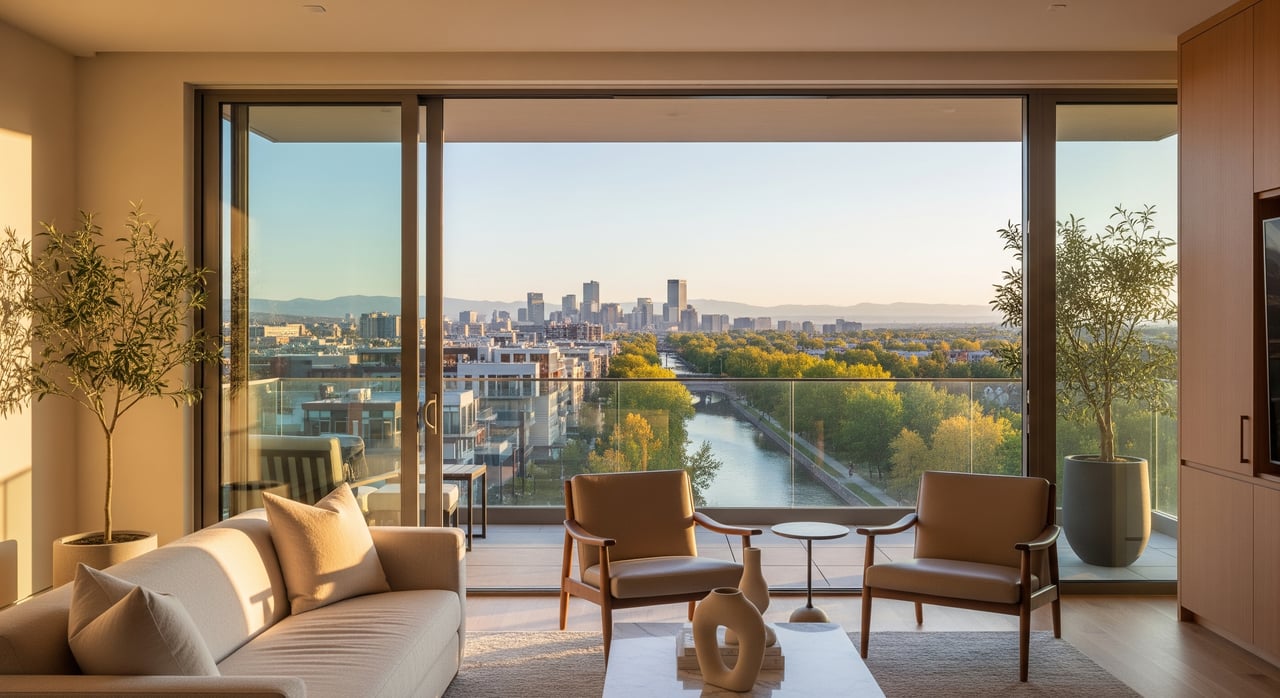
Modern condos are purpose-built residential units in mid-rise or high-rise buildings or in newer mixed-use projects. They usually have defined bedrooms and utility spaces, concealed mechanicals, and standardized systems. Amenities, parking, and predictability of maintenance are common strengths in these buildings.
Space, light, and layout
Ceilings, windows, and light
Lofts often deliver soaring ceilings, sometimes well above typical apartment heights, and tall industrial windows that flood living areas with daylight. Deep floor plates can leave interior zones darker, so pay attention to how light travels from the windows to the back of the unit. In modern condos, ceiling height varies by building and price tier, but room-by-room layouts can offer more consistent light. Higher floors in dense blocks generally mean better views and daylight.
Floor plans and privacy
An open-plan loft gives you freedom to design your life, whether you host, create, or simply enjoy wide, flexible space. Privacy can be limited unless you add partitions or custom millwork for bedrooms and storage. Condos typically deliver defined rooms and circulation, which makes it easier to separate sleeping, working, and entertaining areas without renovation.
Sound, systems, and comfort
Sound and acoustics
Big open volumes can echo, and older floor assemblies in some conversions do not always block impact noise as well as modern concrete slabs. Exposed ducts and open rooms can also make everyday sounds feel louder. Purpose-built condos often include sound-rated walls and floor systems that improve separation between units, though performance still varies by building.
HVAC, plumbing, and electrical
Converted lofts may have retrofitted systems with visible ductwork and single-zone heating or cooling. Capacity and efficiency can vary by building and by unit. Modern condos usually have central or packaged systems designed for residential use and electrical setups that support predictable upgrades. Always confirm the age and type of systems and ask about recent updates.
HOA, costs, and risk
HOA structure and dues
In modern condos, HOAs commonly cover exterior maintenance, common systems and amenities, management, insurance for common areas, and reserves. Amenity-rich buildings often carry higher monthly dues, with clear line items for services and staffing. In converted loft buildings, HOA scope can vary widely, from lean budgets with few amenities to complex setups in historic structures. Review your HOA documents to understand what is covered.
Reserves and special assessments
Older conversions can face deferred maintenance for roofs, windows, or building envelopes that may lead to special assessments. Newer condos might have stronger reserve funding, but dues can be higher to support long-term planning. You should review the reserve study, recent meeting minutes, budgets, and any notes on pending capital projects.
Financing and insurability
Many lenders prefer “warrantable” condominiums with standard documentation. Some small or atypical associations, mixed-use conversions, or buildings with unresolved issues can be non-warrantable, which can make financing more complex or costly. Insurance can also differ if historic materials or unique systems are involved, so verify coverage details and responsibilities.
Taxes and historic status
Some conversions hold historic designation or qualify for incentives that affect renovation rules and future costs. Ask about any historic-district requirements for exterior changes and what that means for the HOA’s maintenance responsibilities.
Lifestyle, amenities, and rules
Amenities and services
Modern condos near Union Station often package lifestyle features like fitness centers, rooftops, and package rooms. Professional management and clear service delivery are common. Lofts range from minimal shared amenities to unique communal spaces depending on the building’s original use and conversion plan.
Parking and storage
Parking is a major differentiator in central Denver. Many newer condos include deeded or assigned garage spaces, and some offer EV infrastructure or dedicated bike rooms. In some historic loft buildings, parking can be limited or unassigned, with residents using nearby garages or on-street permits. Always confirm parking type, deeded rights, fees, and storage locations.
Rental and pet rules
HOA rules govern leasing, rental caps, short-term rentals, and pet policies. These can vary widely by building, especially between conversions and modern condos. Read the sections on leasing and pets in the CC&Rs and bylaws before you write an offer.
Location factors near Union Station
Noise, light, and walkability
The Union Station area is prized for walkability, transit access, and proximity to restaurants and nightlife. With that energy can come noise from trains, bars, and event traffic. Visit your top candidates during evenings and weekends to judge noise, and check unit orientation and neighboring building height for light and privacy. Your comfort level with activity on the street should match your lifestyle.
Quick shortlist checklist
Use this checklist to compare specific loft and condo listings near Union Station before you book showings.
Building basics
- Building type: converted historic vs purpose-built condo
- Year built and date of conversion, if applicable
- Historic designation status
- HOA name, association size, management contact
Unit physicals
- Ceiling height (verify measurements)
- Window type, orientation, and daylight reach
- Floor plan: open vs defined rooms; any mezzanines
- Storage: closet count and any deeded locker
- Balcony or outdoor access
Mechanical, electrical, plumbing
- Heating and cooling type; number of zones
- Electrical capacity and recent upgrades
- Plumbing materials and replacement history
- Soundproofing: concrete slab vs wood joist assemblies
HOA and finances
- Monthly fee and what it covers (utilities, parking, amenities)
- Reserve study availability and funding level
- Recent or pending special assessments and capital projects
- Rental rules, short-term rental policy, and any caps
- Pet rules and size limits
- Insurance responsibilities between owner and HOA
Parking and access
- Deeded assigned parking details and location
- Visitor parking availability
- EV charging on site or rules for future installation
- Bike storage and building entry security
Maintenance and management
- Recent major repairs (roof, windows, envelope, elevator)
- Known deferred maintenance or litigation
- Professional management versus volunteer board
Financing and resale
- Association warrantability status with your lender
- Days on market and price trends for the building or block
- Comparable sales for similar units nearby
Lifestyle fit
- Noise sources: train, nightlife, event venues
- Walkability to Union Station, restaurants, grocery, and transit
- Street character and activity level that matches your routine
Which one fits you?
Choose a loft if you want
- Dramatic volume, large windows, and an authentic industrial aesthetic.
- Flexible open space for hosting, creative work, or unique layouts.
- A building with character and potentially lower shared amenities.
- You are comfortable digging into HOA docs for older systems and maintenance plans.
Choose a condo if you want
- Defined rooms with built-in privacy and easy day-to-day living.
- Predictable mechanical systems and sound separation between units.
- On-site amenities, professional management, and structured parking.
- Broad buyer appeal that can support resale to a wider market.
Smart next steps
- Review HOA documents. Focus on budgets, reserve studies, meeting minutes, rental and pet policies, and insurance responsibilities.
- Talk to a lender early about warrantability and financing options for specific buildings.
- Tour at different times of day to test noise, light, and privacy.
- Confirm deeded parking, storage, and any fees tied to those assets.
- Ask about recent or planned capital projects and special assessment history.
If you want help narrowing the list and setting up efficient tours, we can guide you through the buildings and documents that matter most near Union Station. Reach out to Hector Murguia to get a clear path forward. Let’s Connect.
FAQs
Are lofts near Union Station typically louder than condos?
- Open volumes and some older floor systems can transmit more sound; visit during evenings and weekends and ask about construction details to judge noise.
Do modern condos in this area usually have better amenities?
- Many purpose-built condos include on-site amenities and professional management, while loft conversions vary from minimal to unique but less standardized offerings.
How do HOA dues compare between lofts and condos?
- Amenity-rich condos often have higher but predictable dues, while lofts can range widely depending on building age, systems, and services included.
What should I review before buying in a converted building?
- Read the reserve study, recent meeting minutes, budgets, and details on major systems like roof, windows, and shared mechanicals.
Will a non-warrantable building affect my loan options?
- Yes. Non-warrantable status can limit conventional financing and change pricing; engage a lender early to confirm options for each building.
How can I evaluate natural light in an urban unit?
- Check window orientation, depth of the floor plan, neighboring building heights, and visit at different times of day to see how light shifts.