Designing a productive home office is essential for anyone looking to enhance their work-from-home experience. A well-thought-out space can boost efficiency, creativity, and overall satisfaction. Key elements such as layout, lighting, and technology play crucial roles in creating an environment that supports productivity. Understanding how to optimize these components can transform a basic workspace into a powerhouse of efficiency.
Choosing the Right Layout
The layout of your home office is foundational to its functionality. Consider the flow of movement and accessibility to essential items. Position your desk to face a window if possible, allowing natural light to enhance your workspace. Arrange furniture to minimize distractions and ensure that frequently used items are within arm's reach. An ergonomic chair and desk setup can prevent strain and improve comfort during long working hours.
Optimizing Lighting
Lighting is a critical factor in maintaining focus and reducing eye strain. Natural light is ideal, so place your desk near a window. If natural light is limited, invest in quality artificial lighting. A combination of ambient, task, and accent lighting can create a balanced environment. Adjustable desk lamps provide focused light for reading or detailed tasks, while softer ambient lighting can reduce glare on screens.
Integrating Technology
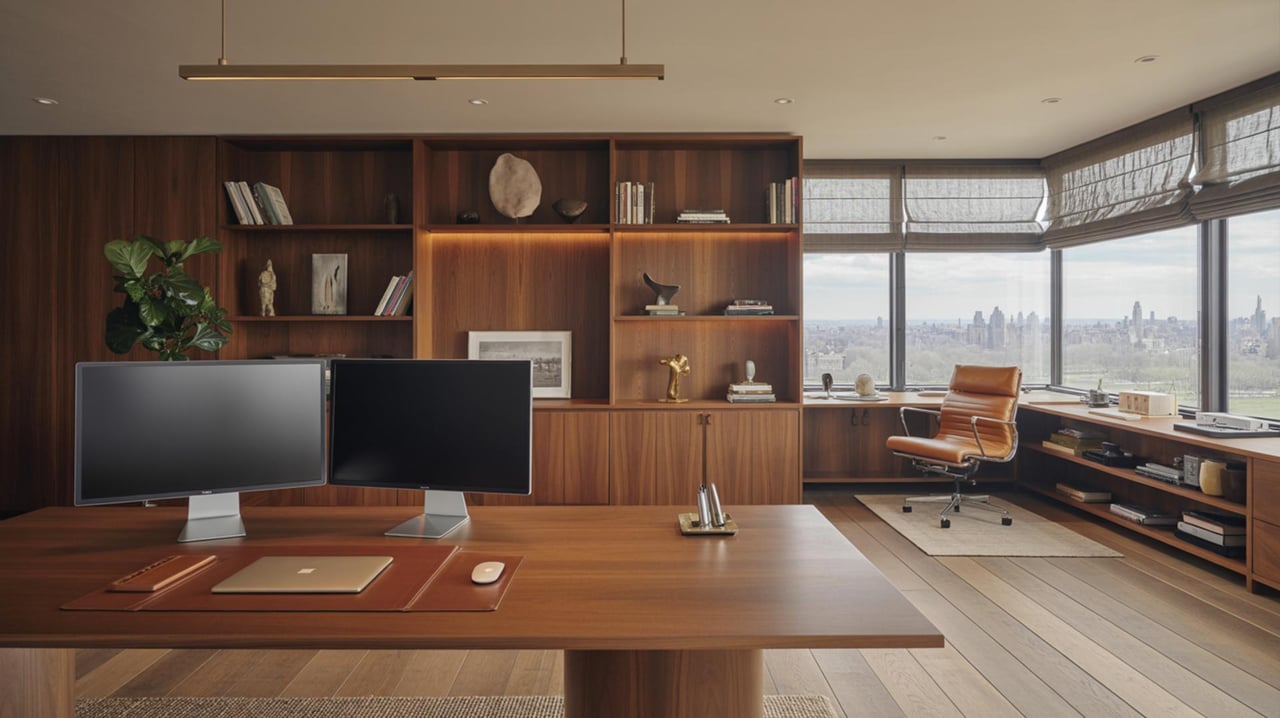
Technology integration is key to a modern home office. Invest in reliable high-speed internet to support video calls and online collaboration. Consider dual monitors for multitasking and a quality webcam and microphone for clear communication. Cable management solutions can keep your workspace tidy and prevent clutter. Smart home devices, like voice-activated assistants, can streamline tasks and enhance productivity.
Personalizing Your Space
Personalization can make your home office more inviting and inspiring. Incorporate elements that reflect your personality and motivate you. This could include artwork, plants, or a vision board. Personal touches can create a sense of ownership and comfort, making it a space you enjoy spending time in.
Ensuring Ergonomics
Ergonomics play a vital role in maintaining health and productivity. Invest in an adjustable chair that supports your posture and a desk at the correct height for your needs. Monitor stands can position screens at eye level to reduce neck strain. Ergonomic keyboards and mouse devices can prevent repetitive strain injuries.
Managing Noise Levels
Noise management is crucial for concentration. Consider noise-canceling headphones if your home environment is noisy. Soundproofing options, such as rugs, curtains, or acoustic panels, can absorb sound and reduce distractions. Creating a quiet zone in your home office can enhance focus and efficiency.
Organizing for Efficiency
Organization is key to a productive workspace. Use shelves, filing cabinets, and desk organizers to keep your office tidy. Labeling systems can help you find documents quickly, and digital organization tools can manage files and schedules efficiently. A clutter-free environment reduces stress and enhances productivity.
Incorporating Greenery
Adding plants to your home office can improve air quality and create a calming atmosphere. Choose low-maintenance plants like succulents or snake plants that thrive indoors. Greenery can boost mood and creativity, making your workspace more pleasant and inviting.
Setting Boundaries
Setting boundaries is essential for maintaining work-life balance. Clearly define your office space and communicate work hours to household members. This separation helps minimize interruptions and allows you to focus during work hours. A dedicated workspace reinforces the distinction between professional and personal time.
Staying Flexible
Flexibility is important in adapting to changing needs. Consider modular furniture that can be reconfigured as necessary. Be open to rearranging your space to accommodate new equipment or changing work habits. A flexible setup ensures that your home office remains functional and efficient over time.
Create Your Ideal Home Office Today
Designing a productive home office involves thoughtful planning of layouts, lighting, and technology. By focusing on these elements, you can create a space that boosts your efficiency and comfort. Remember, a well-designed office can make all the difference in your work-from-home experience. If you're ready to transform your home office, reach out to Hector Murguia for expert advice and guidance.